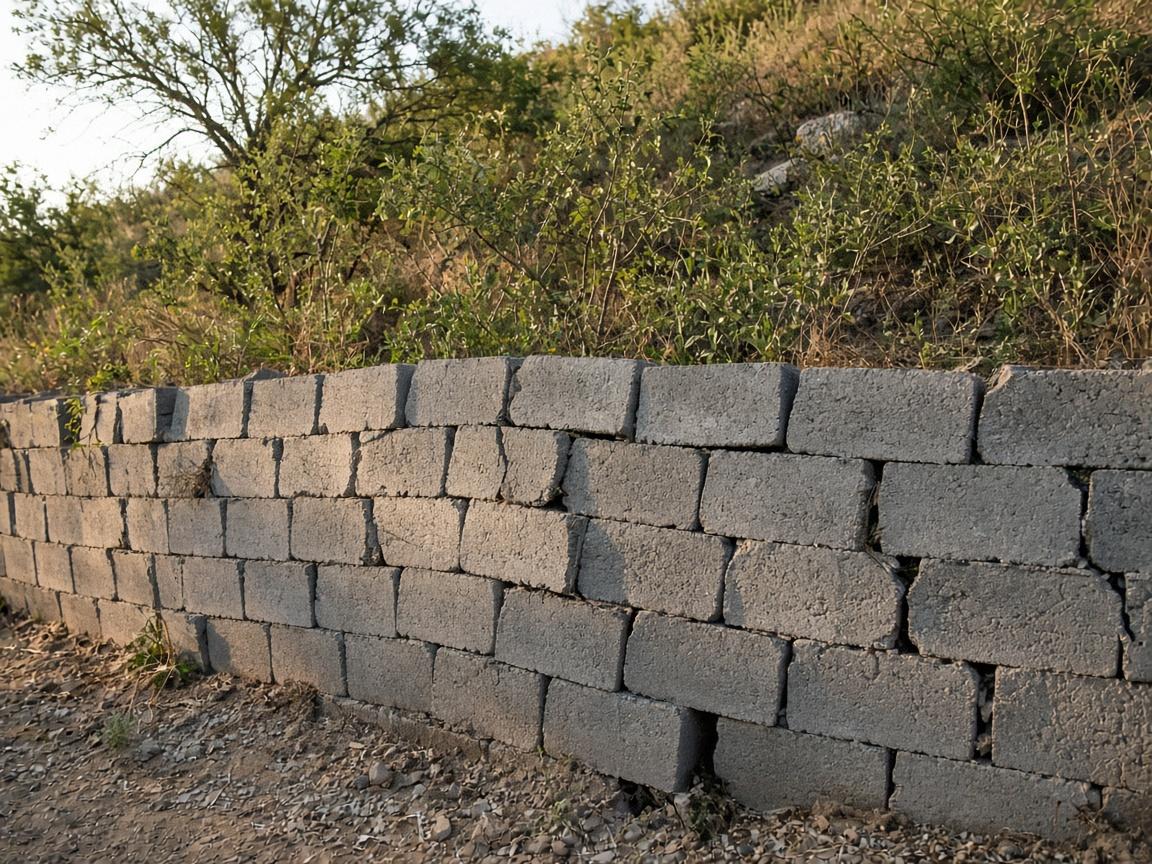
Retaining Wall Repair in Austin, TX
Leaning, cracking, or bowing retaining walls are a safety risk — and a foundation threat.
About This Service
Retaining wall repair in Austin is a specialty intersection of structural engineering and geotechnical concern. Austin's terrain — particularly in west Austin hill country neighborhoods like Lakeway, Bee Cave, Barton Hills, and Rollingwood — features significant grade changes that are managed by a network of retaining walls. When those walls fail, the consequences extend well beyond the wall itself.
A failed retaining wall isn't just an ugly structure or a landscape hazard. It's a sign that the soil pressure behind the wall has exceeded the wall's design capacity — and that soil mass is now pushing somewhere it shouldn't be. Sometimes it pushes the wall forward. Sometimes it moves into the foundation of the structure above or below the retaining grade. Either way, it's a structural problem that requires a structural solution.
Why This Happens in Austin
Retaining walls fail in Austin for predictable reasons. First, water pressure. Austin's clay soils drain slowly, and retaining walls without adequate weep holes or drainage aggregate behind them build up hydrostatic pressure during rain events. That water pressure dramatically increases the effective load on the wall. Second, inadequate original design. Many retaining walls in Austin's residential developments were built to aesthetic rather than engineered standards — they look fine but weren't designed to handle the actual soil load over decades. Third, Austin chalk and limestone can create unexpected bearing conditions at the wall base, causing differential settlement at the footing.
How the Repair Process Works
- 1Wall condition assessment: We assess wall type (concrete block, poured concrete, timber, stone), height, age, and visible damage — bowing, cracking, displacement, settlement at base.
- 2Drainage audit: We check for weep holes, evaluate water staining patterns on the wall face, and assess whether drainage behind the wall exists or has been blocked.
- 3Structural recommendation: Depending on severity, options range from drainage improvement and re-stacking to full wall demolition and rebuild with proper engineering.
- 4Drainage improvement: For walls that are structurally sound but carrying water pressure, we install weep holes, pressure-relieve with drill-and-drain methods, and add drainage aggregate behind the wall.
- 5Helical tie-back installation: For bowing concrete or masonry walls that have structural capacity remaining, helical tie-back anchors can be installed through the wall face into stable soil behind, providing lateral restraint without demolition.
- 6Wall rebuild: For walls beyond rehabilitation, we design a replacement wall with proper batter, footing depth, drainage, and appropriate height-to-thickness ratios. We coordinate engineering stamp requirements for walls over 4 feet.
Warning Signs You Need This Repair
- Wall visibly bowing or tilting away from the retained soil
- Horizontal cracks across the face of a concrete or block wall
- Blocks or stones that have shifted or fallen out
- Soil washing through or around the base of the wall
- Efflorescence (white salt staining) on the wall face — indicates water moving through
- Vegetation growing through the wall face or eroding from behind it
Austin Soil Context
West Austin's thin soils over limestone present a specific retaining wall challenge: footing depth. A wall footing that would be fine in deep clay may be inadequate in 12 inches of soil over bedrock. We design retaining wall repairs with site-specific soil profiles in mind, not standard templates.
Frequently Asked Questions
Who is responsible if my retaining wall is on the property line?
Property line retaining walls are a common dispute. Generally, the owner of the higher grade (the property being retained) has responsibility for the retaining structure. Austin city code and HOA covenants may modify this — check your specific situation before starting work. We can help you document the wall condition if you need evidence for a neighbor dispute.
Can you repair a timber retaining wall?
Timber retaining walls have limited lifespans — typically 15–25 years depending on timber treatment and drainage. If the timber is sound, we can add deadmen (horizontal ties into the hillside) for additional resistance. If the timber is rotted, replacement with concrete block or poured concrete is a better long-term investment.
Does retaining wall repair require a permit in Austin?
Austin requires a permit for retaining walls over 4 feet in height (measured from the base of the footing to the top of the wall). Walls over 6 feet typically require engineered plans. We handle the permit coordination as part of qualified repair projects.
Austin Foundation Repair Pros serves Austin and 14 surrounding communities with licensed foundation repair crews. Every repair starts with a free written assessment — no pressure, no surprises, no upselling.
Get a Free Estimate
Tell us what you're seeing. We'll schedule a free on-site inspection and give you a written diagnosis.
Request Estimate Online (512) 601-5288What You Get
- Stops soil mass migration that can undermine adjacent foundations
- Restores grade stability on sloped Austin lots
- Properly drained and designed walls don't require repeated repair
- Helical tie-backs rehabilitate walls without demolition cost
- Engineering documentation for insurance claims and property sales
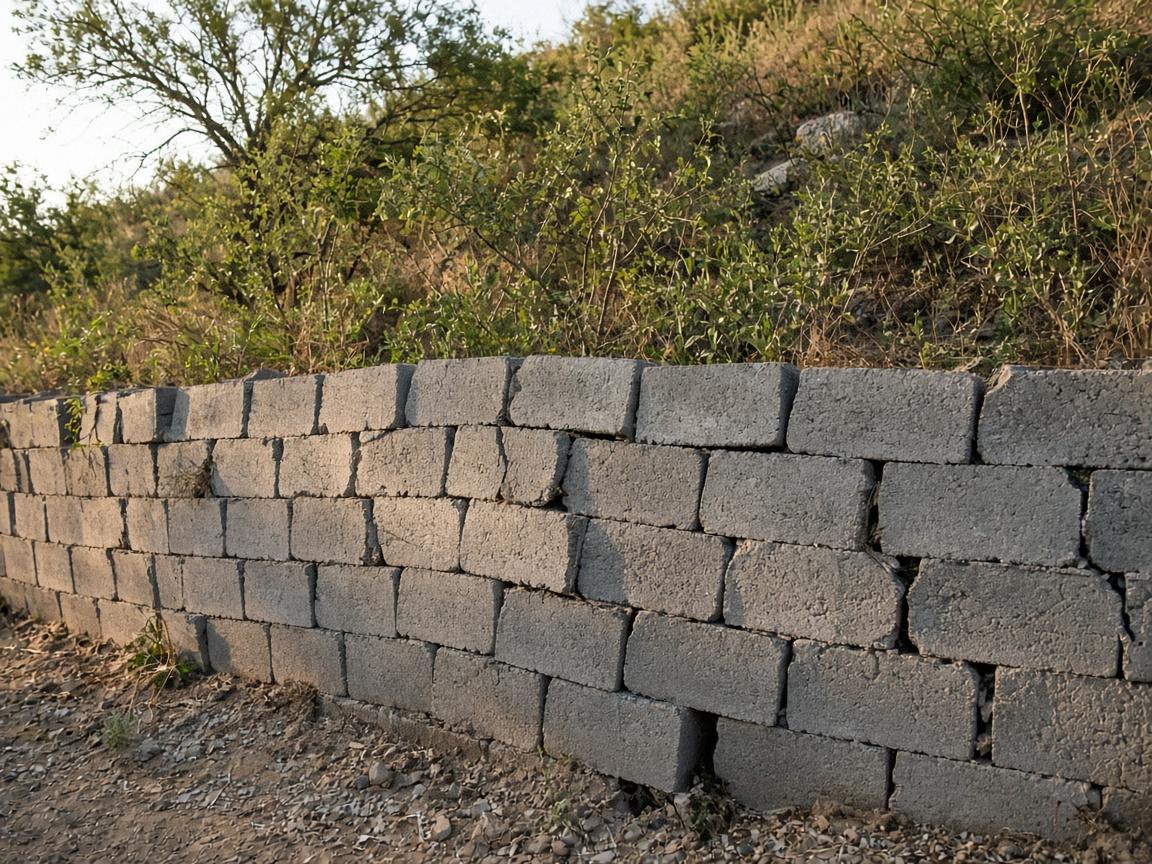
Service Area
Austin and surrounding communities including Round Rock, Cedar Park, Pflugerville, Georgetown, Leander, Kyle, Buda, Hutto, Lakeway, Dripping Springs, San Marcos, Bastrop, Manor, and Bee Cave.