Crawl Space Encapsulation in Austin, TX
Seal out moisture, block pests, and protect wood structural members in your Austin crawl space.
About This Service
Crawl space encapsulation is one of the highest-return foundation protection investments an Austin homeowner with a pier and beam home can make. An open, unprotected crawl space in Austin's humid summer climate is an incubator for moisture damage — and moisture damage to the structural wood members in a pier and beam home is the number-one cause of ongoing foundation settlement in that building type.
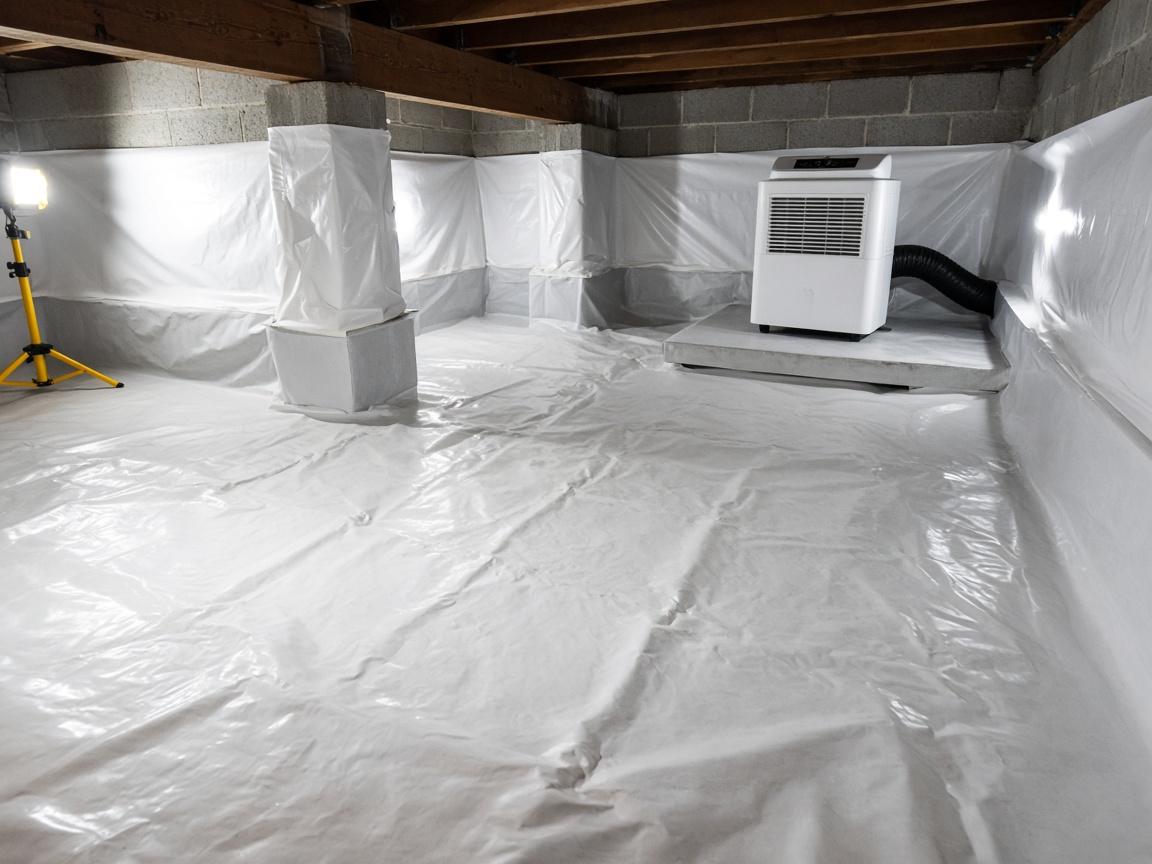
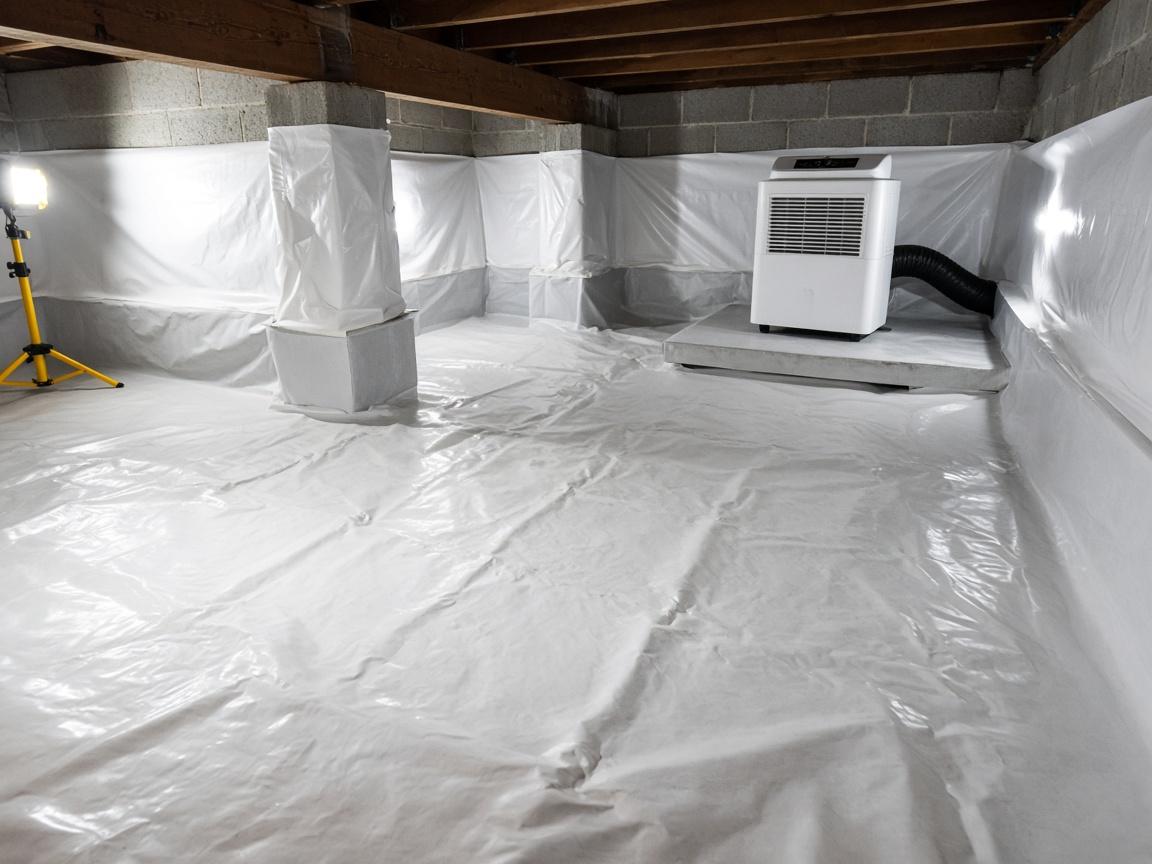
A fully encapsulated crawl space — sealed vapor barrier, conditioned air or mechanical dehumidification, sealed vents — maintains a stable, dry environment year-round. Wood that stays dry doesn't rot. Structural members that don't rot maintain their original load-bearing capacity. A pier and beam home with a properly encapsulated crawl space doesn't need to settle the way an unprotected one will.
Why This Happens in Austin
Austin summers average 70–75% relative humidity. In an open crawl space with vented (unconditioned) air, that humidity flows in during every hot day and contacts the cooler soil and wood surfaces below grade. The result is condensation — water forming on beams, joists, and subfloor surfaces that doesn't have time to fully evaporate before the next humid day hits. Over months and years, that persistent moisture allows wood-rot fungi to colonize, termites to thrive, and structural wood to lose capacity.
The vented crawl space standard (which was building code in Texas until recently) assumed that outdoor ventilation would dry out crawl spaces. Research has shown that in humid climates — which includes Austin, especially in spring and fall — vented crawl spaces actually accumulate more moisture than sealed ones because warm, humid outdoor air is constantly being introduced to the cooler, damp space below.
How the Repair Process Works
- 1Crawl space assessment: We enter the crawl space and assess existing moisture levels (using a moisture meter on wood members), evidence of rot or insect damage, existing ventilation, and standing water.
- 2Drainage correction: If water enters the crawl space during rain events, we address the entry points before encapsulation — either with exterior grading, interior perimeter drains, or both.
- 3Surface preparation: Debris is removed. Any exposed utility pipes that cross the crawl space floor are raised on supports above the vapor barrier plane.
- 4Vapor barrier installation: A heavy-duty polyethylene vapor barrier (minimum 12 mil, typically 16 or 20 mil) is installed across the entire crawl space floor. Overlaps are taped with vapor barrier tape. The barrier is sealed to the foundation walls and piers.
- 5Vent sealing: Existing crawl space vents are sealed with rigid foam insulation and vapor barrier tape. This removes the pathway for humid outdoor air.
- 6Mechanical dehumidification: A crawl space dehumidifier sized for the volume is installed to maintain relative humidity below 60% year-round. A condensate drain line routes moisture out of the crawl space.
- 7Final inspection and documentation: We photograph the completed installation and document moisture levels before and after.
Warning Signs You Need This Repair
- Musty odor from the floor — indicates active moisture and possible mold below
- Floors that feel soft or spongy in isolated areas — possible rot in joists below
- Visible mold or dark staining on subfloor when viewed from the crawl space
- Consistently high utility bills — moisture degrades insulation performance
- Condensation or water dripping from ductwork in the crawl space
- Wood moisture meter readings above 19% on structural members
Austin Soil Context
Austin's wet springs and dry summers create a challenging crawl space moisture dynamic. The soil below Austin homes can be completely dry in August and saturated in April. A vapor barrier with mechanical dehumidification handles both conditions — blocking soil moisture evaporation in wet seasons and maintaining humidity control during damp transitions.
Frequently Asked Questions
Is crawl space encapsulation required if I'm just doing pier and beam leveling?
Not always required, but highly recommended. If moisture was a contributing factor to beam rot or pier deterioration, fixing the structure without addressing the moisture source means the problem will recur. We always assess crawl space moisture conditions during a pier and beam inspection and will tell you whether encapsulation is urgent, recommended, or optional.
What thickness vapor barrier do you install?
We install a minimum 16 mil reinforced polyethylene vapor barrier for Austin crawl spaces. Thinner barriers (6 mil) are technically compliant with some codes but tear easily during future access and don't provide the same long-term performance. We use a scrim-reinforced barrier with rip-stop properties.
Will encapsulation change how my crawl space vents work?
Yes — vent sealing is part of encapsulation. The building science research on crawl space moisture is clear: venting humid outdoor air into a crawl space makes moisture problems worse, not better, in humid climates. Sealed crawl spaces with mechanical dehumidification consistently outperform vented ones in moisture control.
Can I get into my crawl space after encapsulation?
Yes. We install the vapor barrier so that future access for plumbing, HVAC, or electrical repairs is possible. We can also install a rigid access hatch in the barrier for frequent access points. The dehumidifier will need filter service access — we show you how during the final walkthrough.
Austin Foundation Repair Pros serves Austin and 14 surrounding communities with licensed foundation repair crews. Every repair starts with a free written assessment — no pressure, no surprises, no upselling.
Get a Free Estimate
Tell us what you're seeing. We'll schedule a free on-site inspection and give you a written diagnosis.
Request Estimate Online (512) 601-5288What You Get
- Stops wood rot progression and extends structural life of pier and beam homes
- Eliminates the musty odor that migrates up into the living space
- Reduces indoor humidity levels — often noticed immediately by homeowners
- Improved HVAC efficiency — dry air takes less energy to condition
- Creates a sealed space for safe utility access — electrical, plumbing, HVAC
- Protects against pest entry and harborage — sealed vents remove pest pathways
Service Area
Austin and surrounding communities including Round Rock, Cedar Park, Pflugerville, Georgetown, Leander, Kyle, Buda, Hutto, Lakeway, Dripping Springs, San Marcos, Bastrop, Manor, and Bee Cave.