Foundation Crack Repair in Austin, TX
Stop cracks before they become catastrophic — professional crack diagnosis and repair across Austin.
About This Service
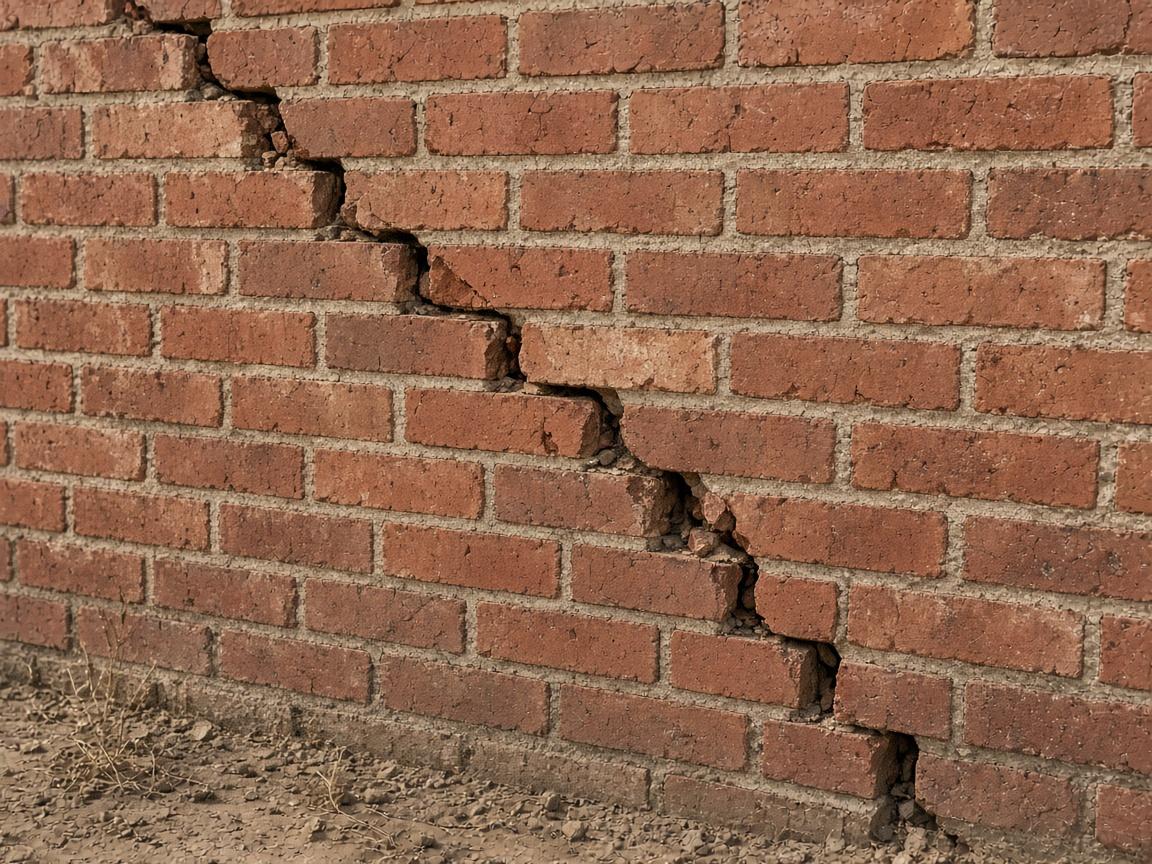
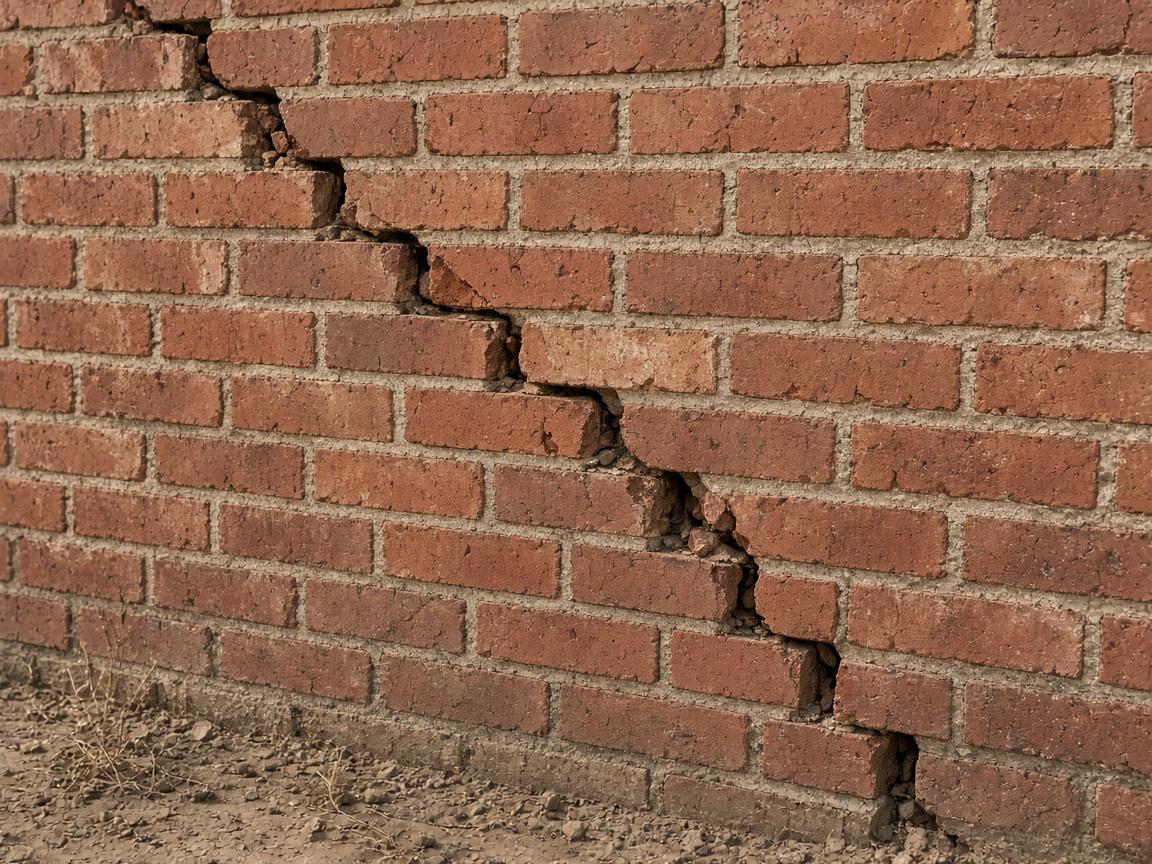
Foundation crack repair in Austin requires proper diagnosis before any repair attempt. The type, orientation, width, and location of a crack tells a skilled inspector everything about its cause — and whether it's structural or cosmetic.
A hairline crack along a concrete pour joint is almost always cosmetic — the result of normal concrete shrinkage during curing. A diagonal crack at a 45-degree angle from the corner of a door opening is a classic sign of differential settlement. A horizontal crack in a basement or retaining wall means lateral soil pressure is overwhelming the wall's resistance. Each requires a different response, and treating them all the same way is how repairs fail.
Why This Happens in Austin
Crack formation in Austin foundations is primarily driven by differential movement — different parts of the foundation moving by different amounts. When one section settles faster or further than the adjacent section, the concrete or masonry is put in tension (the weakest direction for those materials) and cracks along the path of least resistance. The crack pattern itself is a map of where the differential movement occurred.
In Texas clay soils, the most common crack driver is the wet-dry cycle. Clay on one side of the foundation dries faster (exposed to sun, adjacent to a heat source, or near a large tree), creating uneven soil pressure underneath. The foundation responds by cracking where the stress concentration is highest — almost always at structural openings like doors and windows.
How the Repair Process Works
- 1Crack mapping: We photograph and measure every crack — width, length, depth, and orientation. We note whether cracks have active movement (checked with crack gauges or comparisons to prior assessments).
- 2Cause determination: Based on crack pattern, we identify whether the cause is differential settlement, thermal movement, concrete shrinkage, overloaded lintels, or lateral soil pressure.
- 3Active vs. historic classification: Active cracks (still moving) require addressing the root cause before sealing. Historic cracks (movement has stopped) can be sealed directly.
- 4Structural crack repair: For settlement-related cracks, the underlying settlement must be stabilized with piers before the crack is repaired. Sealing an active crack without fixing the cause just relocates the crack.
- 5Sealing and patching: Once stable, cracks are cleaned, widened slightly (keyed), and filled with polyurethane or epoxy injection — which cures rigid and bonds to the concrete.
- 6Monitoring and documentation: We document the before-and-after state. For cracks with ongoing risk, we install crack monitors — simple gauges that tell you if the crack reopens.
Warning Signs You Need This Repair
- Cracks wider than 1/4 inch anywhere in the foundation or exterior walls
- Any horizontal crack in a wall — these indicate lateral pressure
- Cracks that have changed width since you first noticed them
- Cracks with displacement — one side higher or offset from the other
- Multiple cracks in a pattern radiating from a single location
- Cracks accompanied by water intrusion through the wall
Austin Soil Context
Crack repair in Austin is particularly nuanced because the seasonal clay movement means cracks can open in summer (clay shrinks) and close partially in winter (clay swells). This makes timing of repair important — cracks should be repaired at maximum width (typically late summer to early fall) for the best seal quality.
Frequently Asked Questions
Is a small crack in my foundation something to worry about?
Small hairline cracks (under 1/16 inch, no displacement) along pour joints are usually not structural. However, any crack that is widening, has displacement, or is accompanied by door/window issues should be evaluated. A free inspection takes 30 minutes and gives you a definitive answer.
What's the difference between epoxy and polyurethane crack injection?
Epoxy injection cures rigid and restores structural continuity — ideal for structural cracks in load-bearing walls. Polyurethane injection cures flexible and forms a waterproof seal — better for non-structural cracks where water intrusion is the primary concern. We use both depending on crack type.
My crack has been there for years without changing. Do I still need to fix it?
If the crack is truly stable (not widening, no displacement), it may be a cosmetic issue. We can verify stability with a crack gauge visit and document the baseline. If it's confirmed stable, the choice to seal it is yours — primarily a cosmetic and moisture-control decision at that point.
Can you repair cracks in brick veneer?
Brick veneer cracking is usually a symptom of the underlying foundation or wall movement, not a brick problem. Tuck-pointing the mortar joints without addressing the movement will result in re-cracking. We address the structural cause first, then recommend a mason for the cosmetic brick repair.
Austin Foundation Repair Pros serves Austin and 14 surrounding communities with licensed foundation repair crews. Every repair starts with a free written assessment — no pressure, no surprises, no upselling.
Get a Free Estimate
Tell us what you're seeing. We'll schedule a free on-site inspection and give you a written diagnosis.
Request Estimate Online (512) 601-5288What You Get
- Proper diagnosis distinguishes cosmetic from structural — no unnecessary repairs
- Polyurethane and epoxy injection forms a bond as strong as the original concrete
- Sealed cracks stop water infiltration that can cause further erosion
- Crack monitoring provides documented evidence if the crack reopens
- Engineering reports available for real estate disclosure
Service Area
Austin and surrounding communities including Round Rock, Cedar Park, Pflugerville, Georgetown, Leander, Kyle, Buda, Hutto, Lakeway, Dripping Springs, San Marcos, Bastrop, Manor, and Bee Cave.