Pier & Beam Foundation Repair in Austin
Leveling and restoration for Austin's older pier and beam homes — Hyde Park, Bouldin, Clarksville, and beyond.
About This Service
Pier and beam foundations are the foundation type of choice in Austin's older, most beloved neighborhoods — Hyde Park, Bouldin Creek, Clarksville, Travis Heights, Cherrywood, and Old East Austin. If your home was built before 1960, there's a good chance it sits on a network of concrete or masonry piers, with wooden beams spanning between them and a wood subfloor above.
The system is inherently more flexible and repairable than a monolithic slab — individual piers and beams can be replaced or supplemented without disturbing the rest of the structure. But they require more maintenance, and when they fail, the failure is often visible and felt before it becomes structural: bouncy floors, sagging spans, sticking doors, and the unmistakable creak of a foundation that needs attention.
Why This Happens in Austin
Pier and beam foundations fail for several distinct reasons that often compound each other. The piers themselves settle — typically because the original piers were set in the active clay zone without reaching stable bearing soil. As the clay moves seasonally, piers rock and tilt. Second, wood deteriorates. Original beam wood in a 1940s Hyde Park bungalow has been absorbing decades of humidity, Texas rainstorms, and potentially plumbing leaks — rot and insect damage are common findings. Third, the original construction may have used inadequate spacing — too few piers, or piers set at an insufficient depth, leading to gradual settlement even without rot.
How the Repair Process Works
- 1Crawl space inspection: We enter the crawl space and visually assess every pier, beam, joist, and subfloor section. We check for rot, insect damage, moisture levels, and pier condition.
- 2Settlement mapping: We measure beam heights at each pier point and identify where settlement has occurred — which piers have dropped, which beams have sagged, and by how much.
- 3Pier remediation plan: Depending on findings, we may need to add new concrete piers beside failed original ones, shim existing piers back to grade, or replace entire pier and cap assemblies.
- 4Beam and joist repair: Rotted or broken beams are sistered (a new beam bolted alongside the damaged one) or replaced. Damaged joists are sistered or replaced in kind.
- 5Re-leveling: After new piers are poured and cured, hydraulic jacks carefully raise the structure back to level while crews install permanent shims and bearing plates.
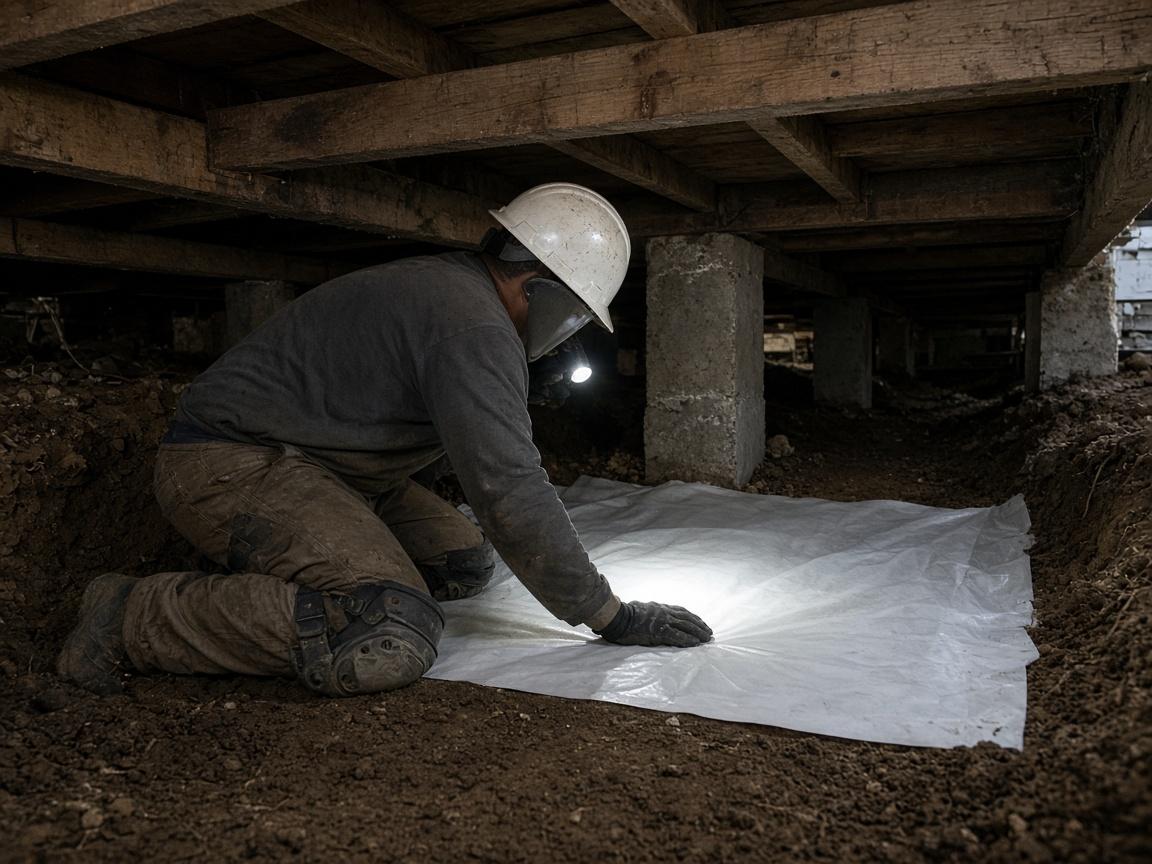
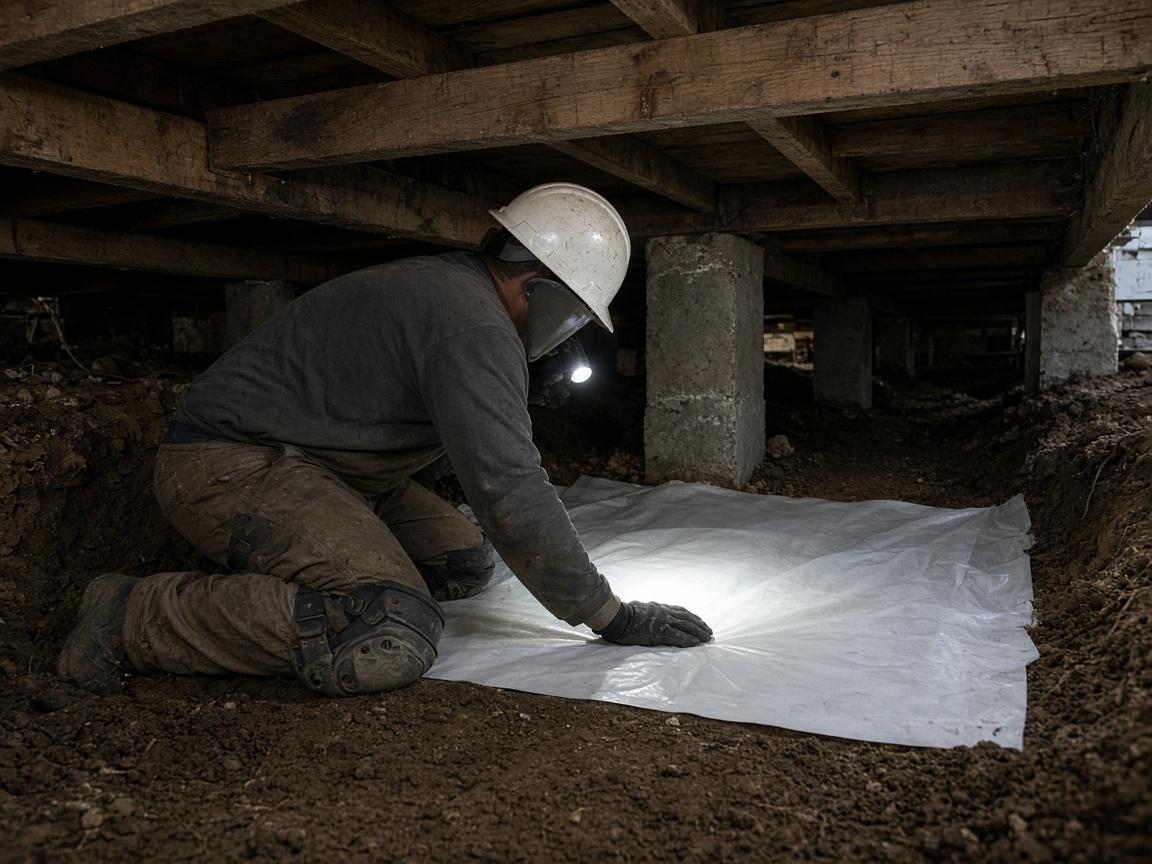
- 6Crawl space protection: We install a vapor barrier across the crawl space floor, seal crawl space vents during humid months, and assess drainage to prevent future moisture intrusion.
Warning Signs You Need This Repair
- Floors that bounce or flex noticeably when you walk across them
- Visible floor slope — marbles roll, furniture shifts to one side
- Doors that drag on the floor or stick at the top corner
- Musty odor from the crawl space — indicates moisture and likely wood rot
- Visible gaps between interior walls and the ceiling or floor
- Exterior skirting that has shifted or separated from the home
- Cracked or separated brick veneer at the home's base
Austin Soil Context
Older Austin neighborhoods often sit on original clay prairie soils with no engineered compaction record. Piers were often set by rule-of-thumb rather than soil analysis, which is why pier and beam homes in Hyde Park settle more predictably over time than their slab counterparts. The fix is straightforward — get the piers into stable soil and keep moisture out of the crawl space.
Frequently Asked Questions
How long does pier and beam leveling take?
Most standard pier and beam jobs take 1–3 days. Larger homes with extensive rot or many replacement piers can take up to a week. If we're pouring new concrete piers, add 3–5 days for cure time before we can set the final beam elevations.
My older Austin home has sagging floors. Is pier and beam repair expensive?
Less expensive than slab pier work in many cases, because no excavation or drilling equipment is needed for crawl space access. Typical pier and beam leveling in Austin runs $2,500–$7,500 depending on scope. Extensive rot or full beam replacement adds cost.
Can I stay in my home during pier and beam repair?
Usually yes. Unlike slab work, pier and beam repair doesn't require cutting holes in floors or extensive jackhammering. The most disruptive phase is the re-leveling lift, which takes a few hours. Most homeowners stay in place throughout.
Will pier and beam repair disturb my hardwood floors?
The repair itself doesn't touch your floors. However, if your floors have cupped or buckled due to moisture damage in the crawl space, the leveling won't automatically reverse that. Hardwood floor refinishing is sometimes needed after a moisture issue is resolved.
Austin Foundation Repair Pros serves Austin and 14 surrounding communities with licensed foundation repair crews. Every repair starts with a free written assessment — no pressure, no surprises, no upselling.
Get a Free Estimate
Tell us what you're seeing. We'll schedule a free on-site inspection and give you a written diagnosis.
Request Estimate Online (512) 601-5288What You Get
- Individual beam and pier replacement without disturbing the whole structure
- Faster repair timeline than slab pier systems — less excavation required
- Access for future plumbing and electrical repairs via the crawl space
- Vapor barrier installation that reduces moisture and protects wood long-term
- Restores the floor level and structural integrity of older Austin homes
Service Area
Austin and surrounding communities including Round Rock, Cedar Park, Pflugerville, Georgetown, Leander, Kyle, Buda, Hutto, Lakeway, Dripping Springs, San Marcos, Bastrop, Manor, and Bee Cave.