Professional Foundation Repair Austin, TX
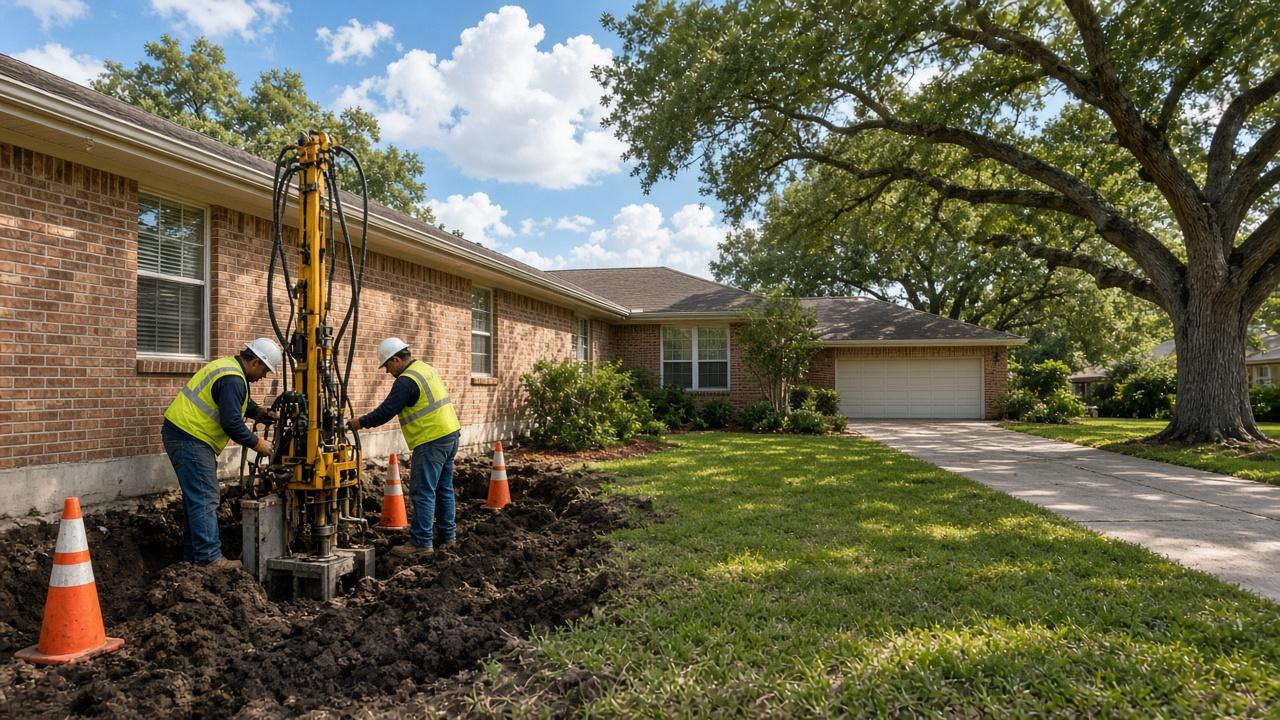
Cracked slabs, uneven floors, sticking doors — we've fixed them all across Austin's clay-heavy soil. Licensed crews, free estimates, and repairs built to last through Texas drought cycles.
Foundation Services We Offer
From hairline cracks to full slab settlement — Austin Foundation Repair Pros handles the full scope of foundation repair across Austin and surrounding areas.
Foundation Repair
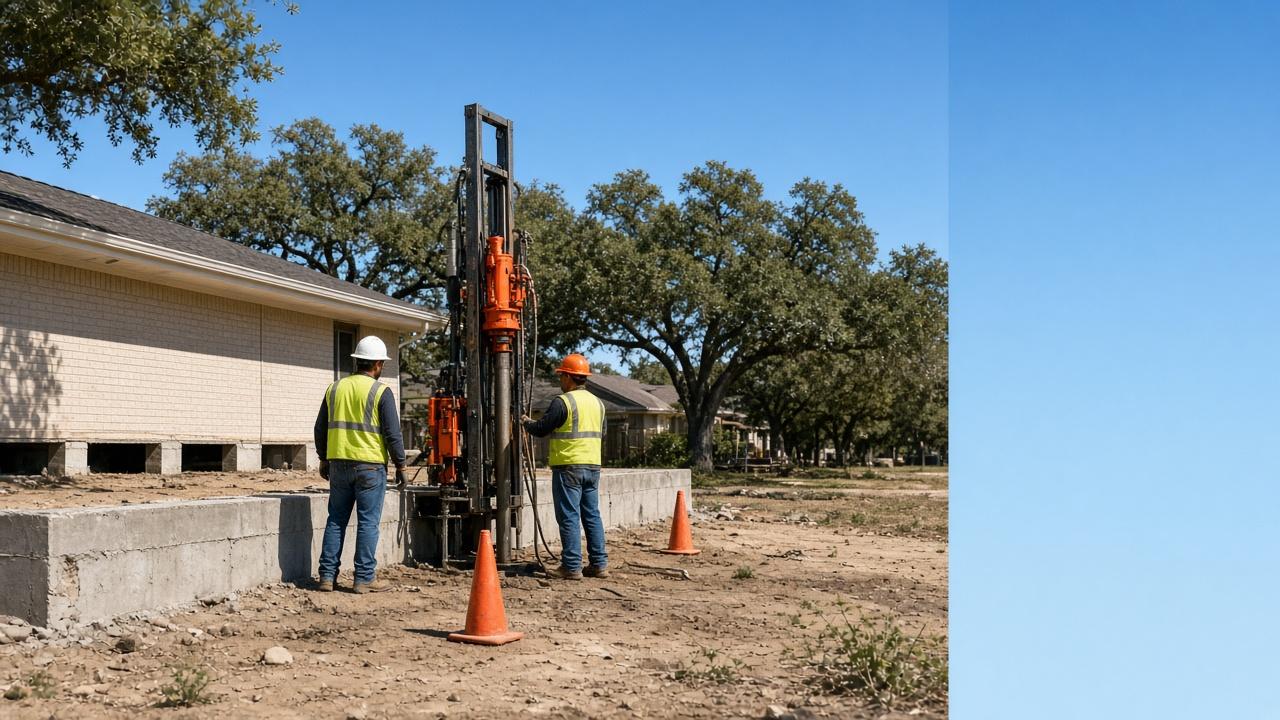
Cracked walls, sticking doors, and uneven floors are warning signs Austin homeowners can't ignore. O…
Slab Foundation Repair
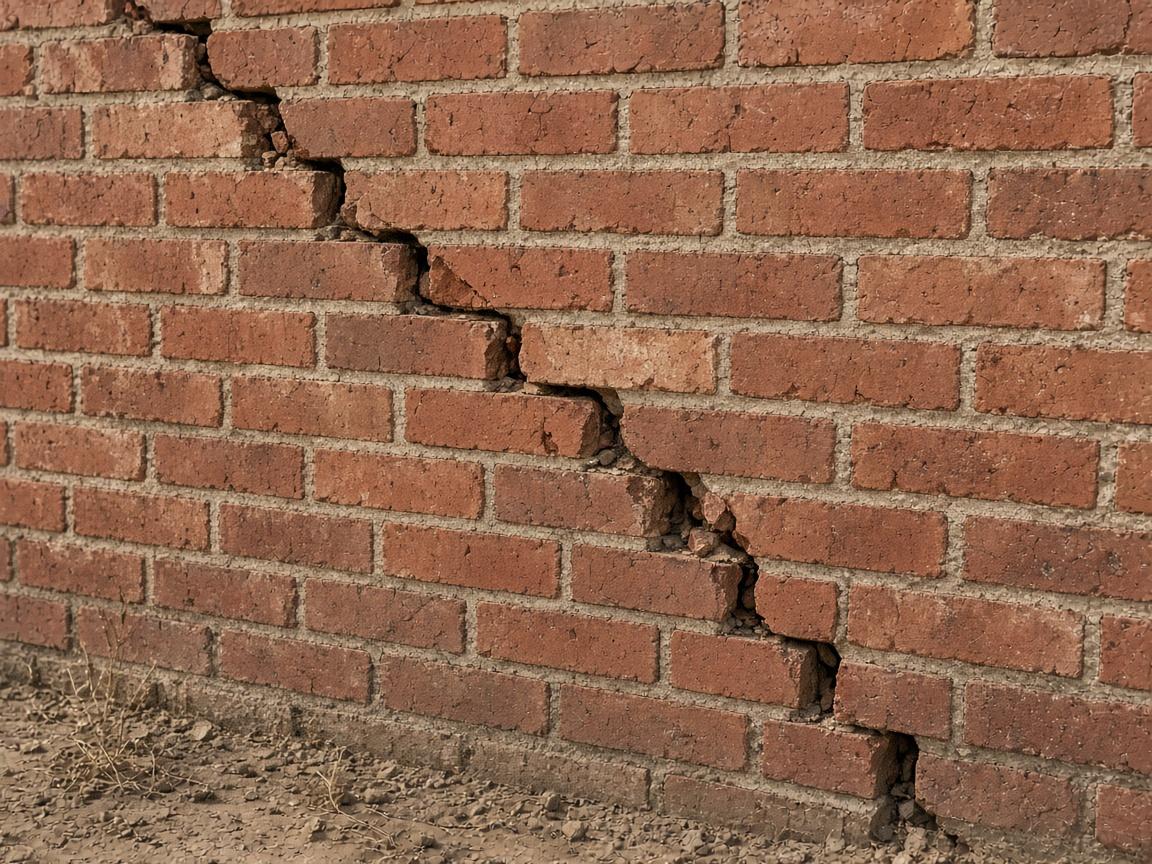
Austin's Blackland prairie clay expands in rain and shrinks in drought — and that constant movement …
Pier & Beam Repair
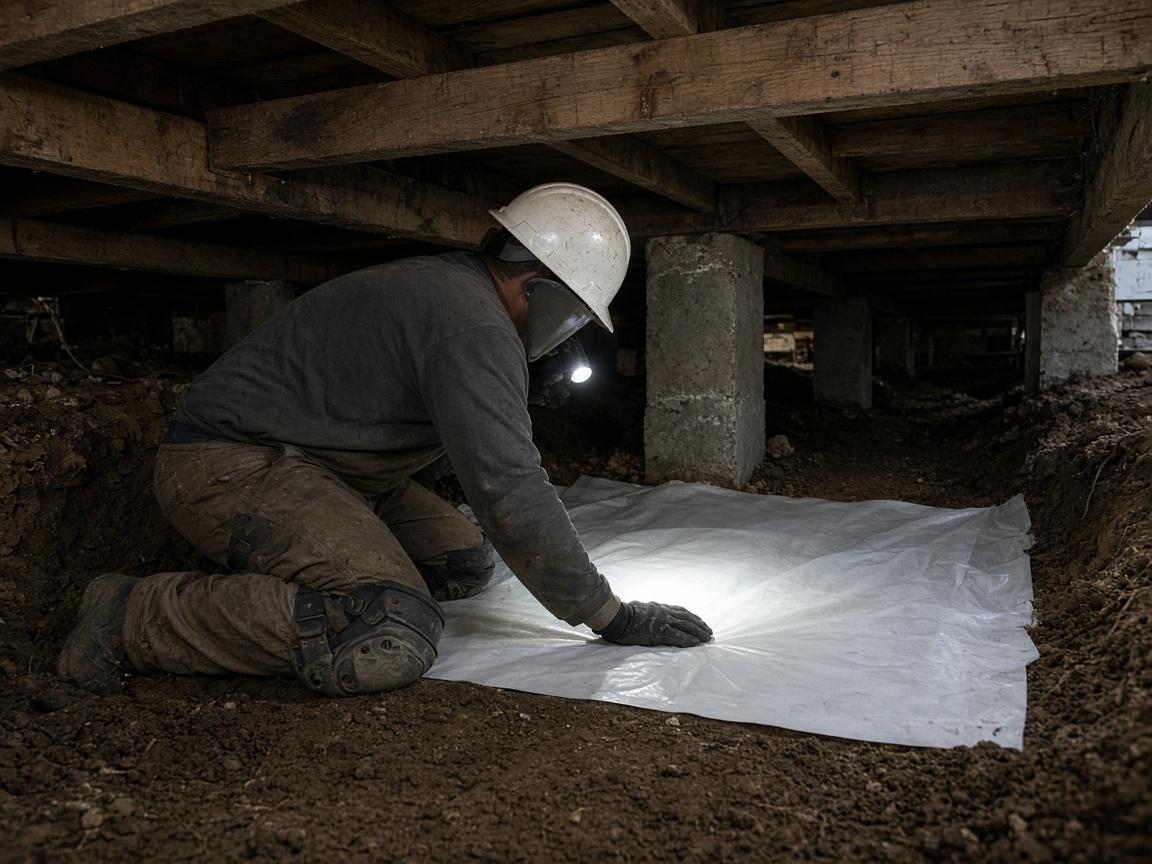
Many of Austin's historic neighborhoods were built on pier and beam foundations. Wood beams rot, pie…
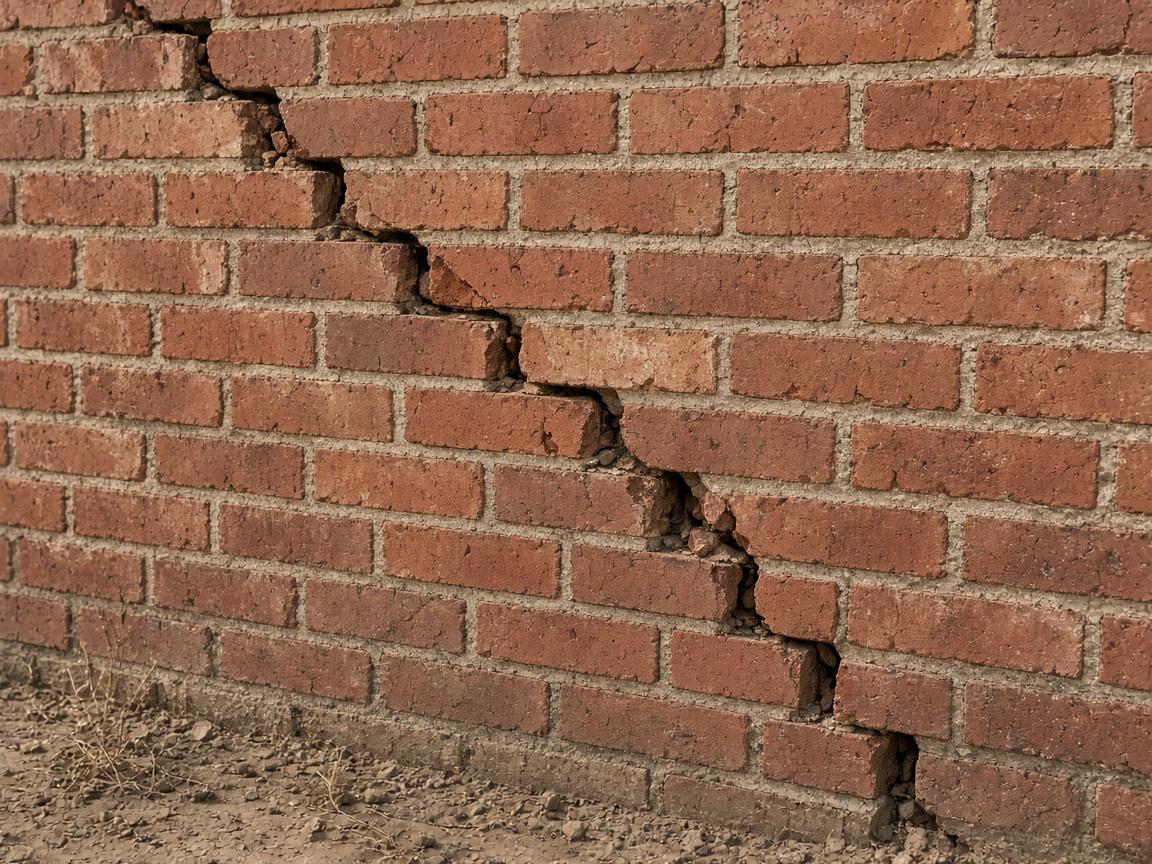
Crack Repair
Not every crack is an emergency, but every crack needs to be evaluated. Horizontal cracks, stair-ste…
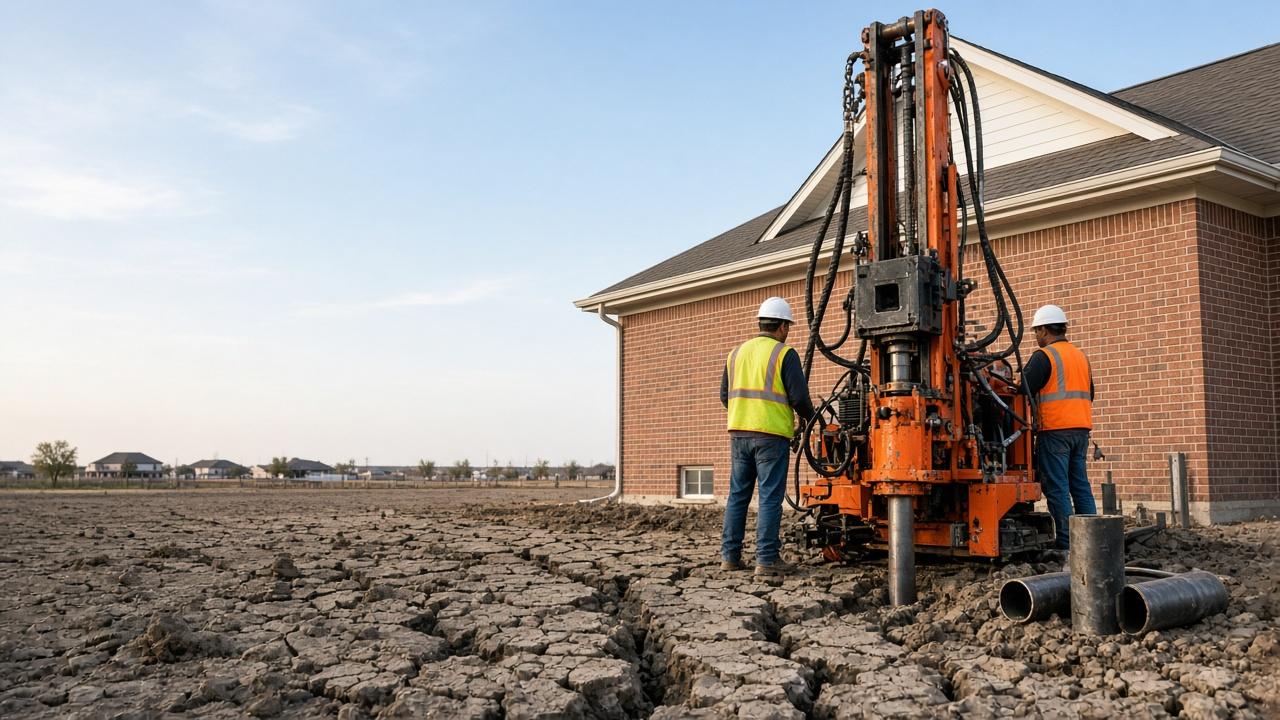
Foundation Leveling
A settled foundation means uneven floors, sticking doors, and growing structural risk. Our hydraulic…
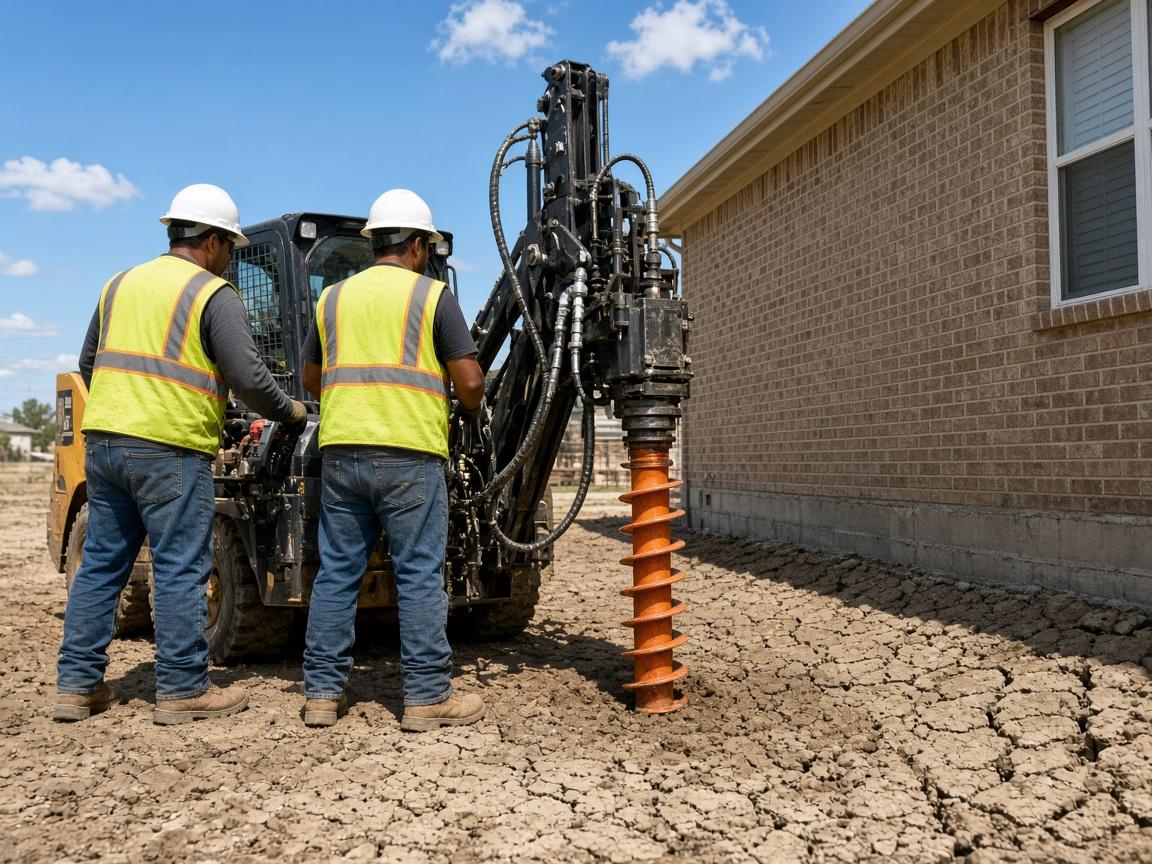
Helical Piers
Helical piers are steel screw-anchors driven deep below the problem soil zone. They're ideal for lig…
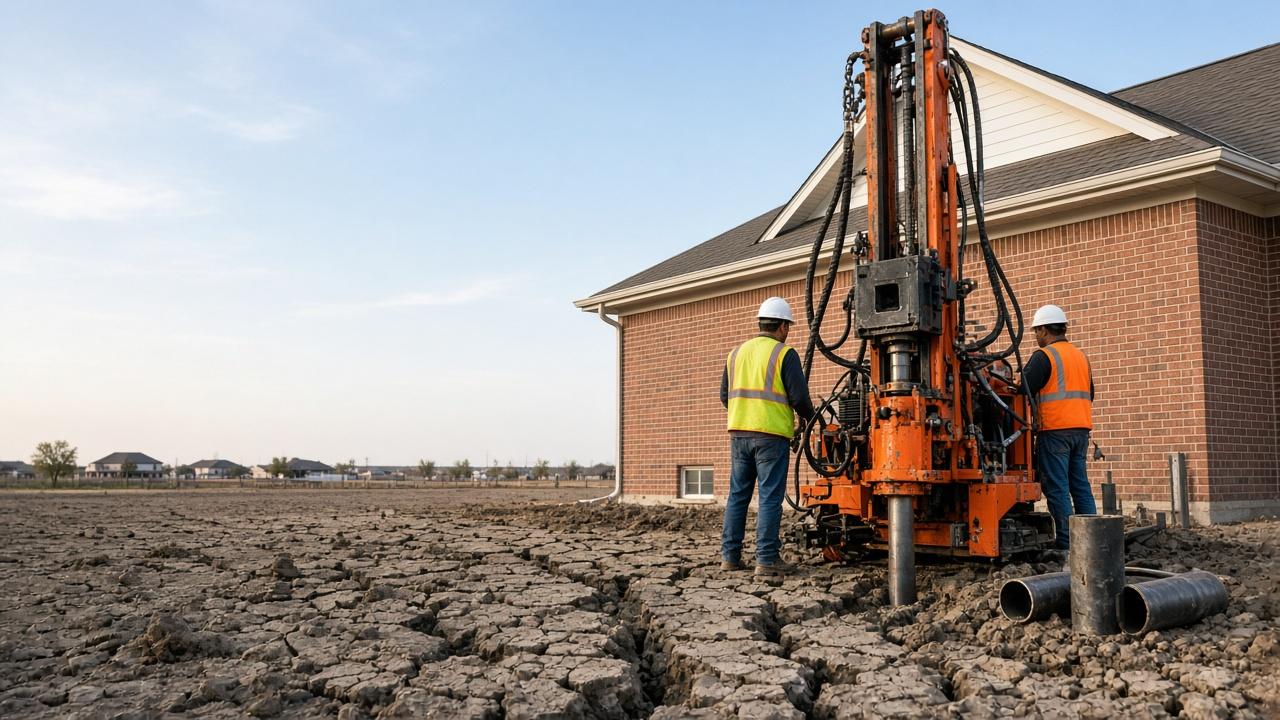
Steel Push Piers
Steel push piers are driven hydraulically through weak soil to bedrock or dense load-bearing strata.…
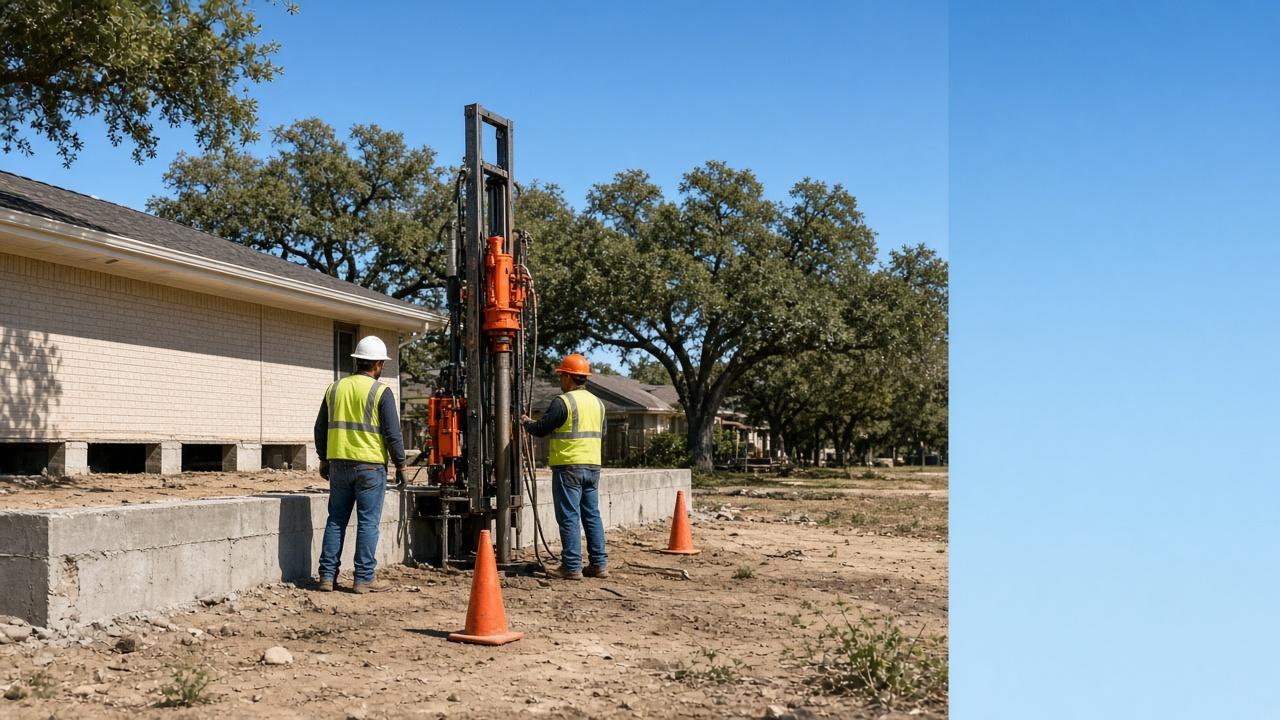
Settlement Repair
Foundation settlement happens when soil beneath your slab or piers can no longer support the structu…
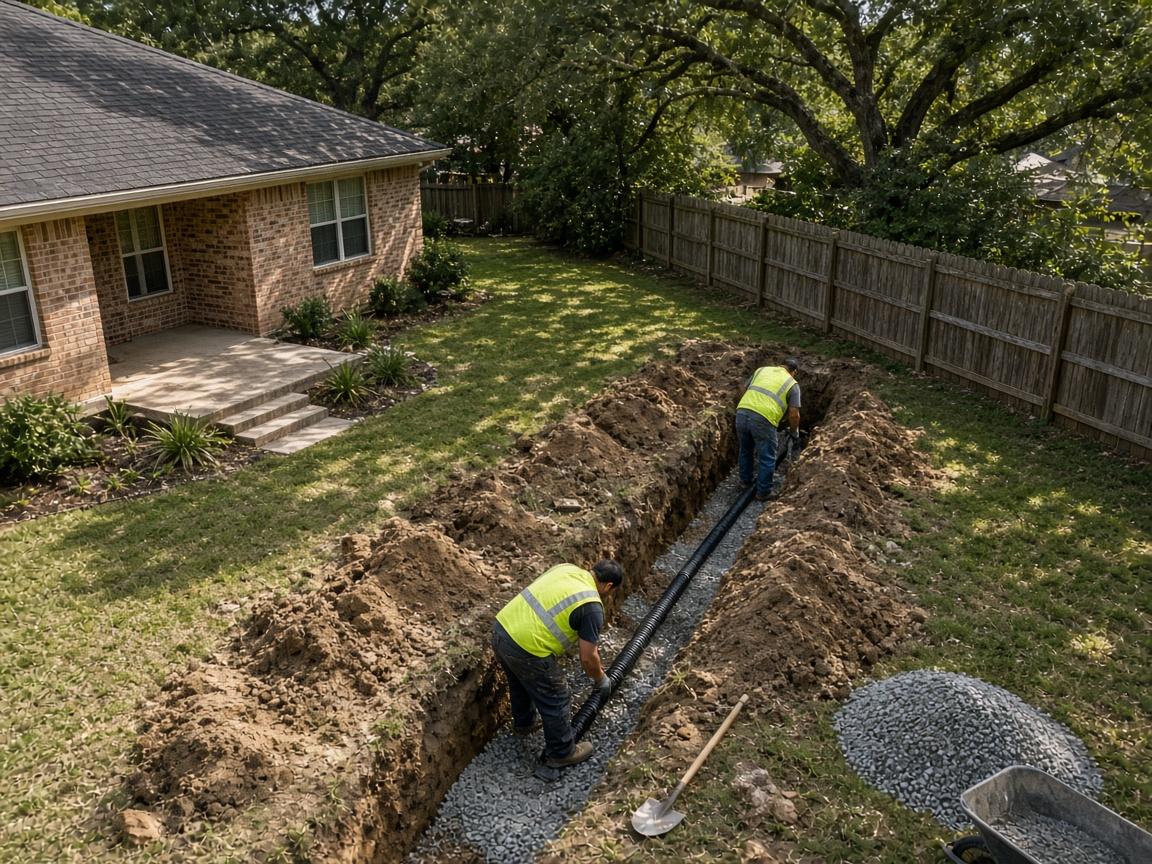
Drainage Solutions
Water pooling near your foundation is one of the leading causes of soil erosion and slab movement in…
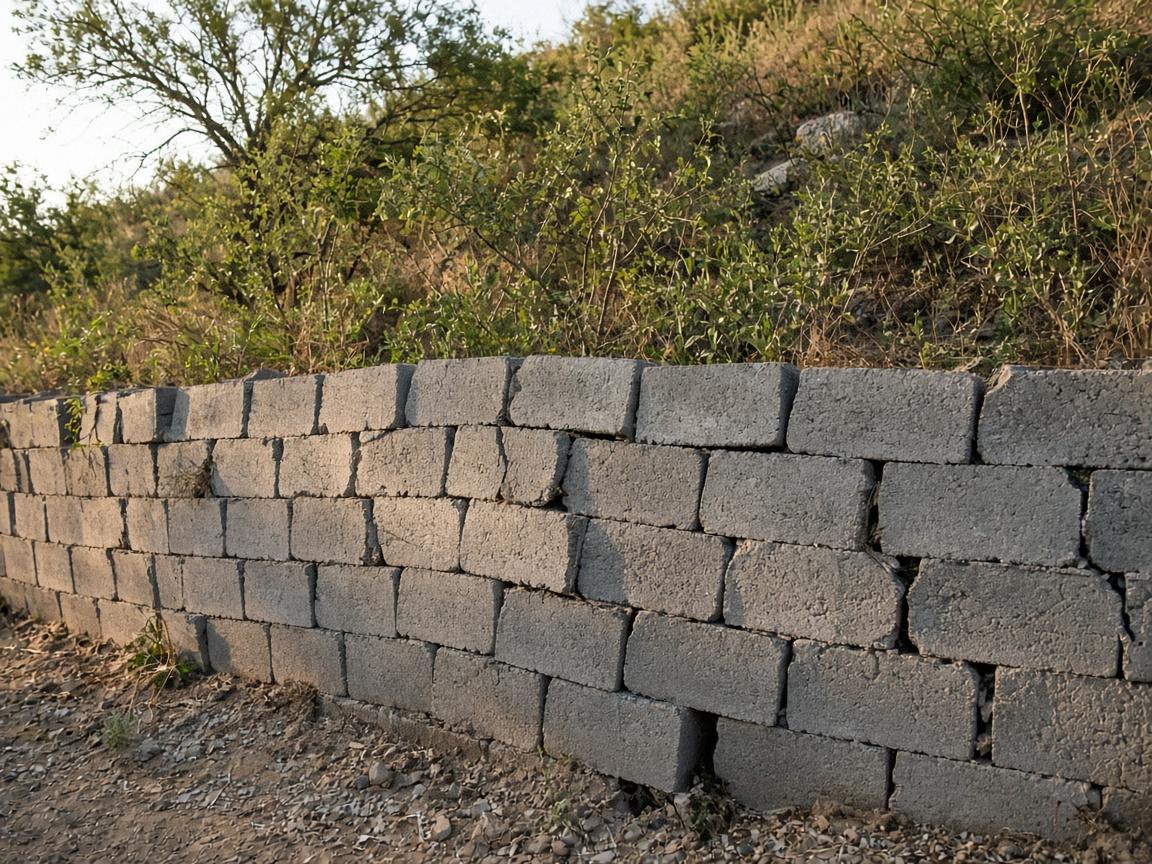
Retaining Wall Repair
Austin's hilly terrain means many properties rely on retaining walls to manage grade changes. A fail…
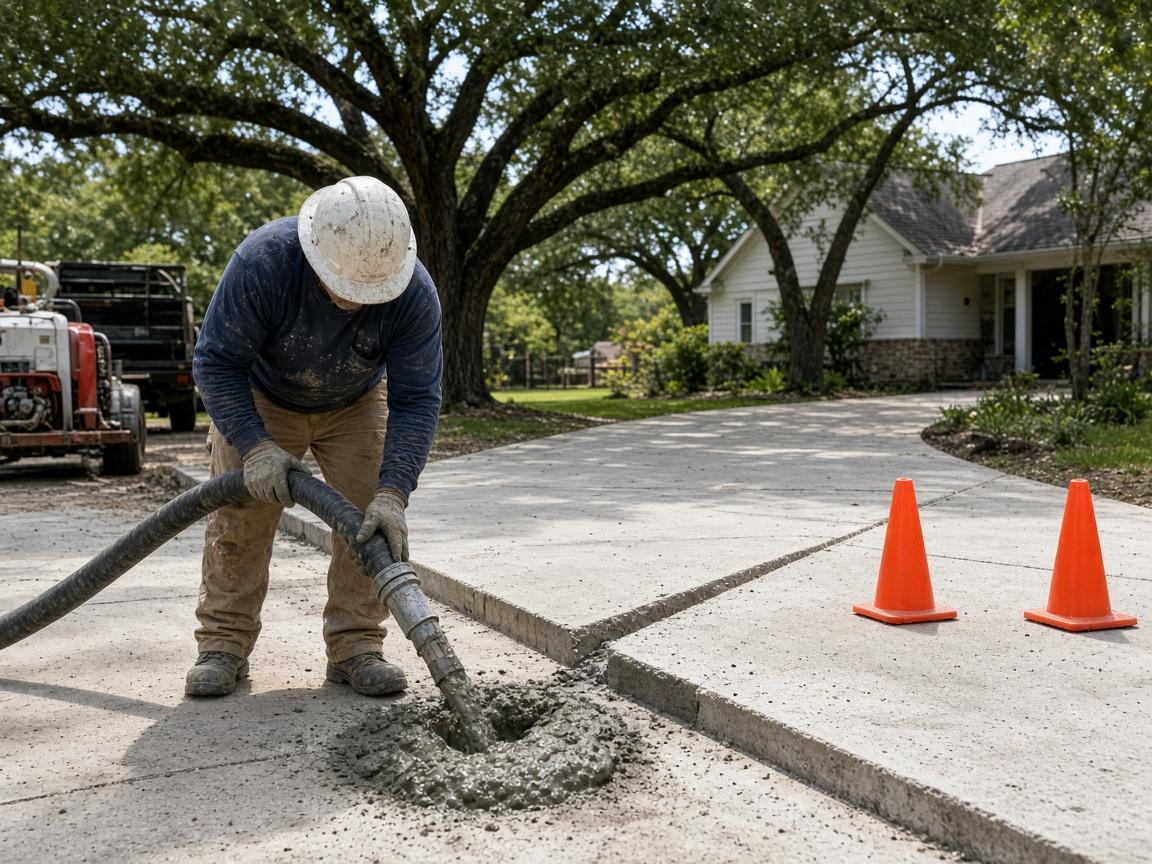
Concrete Leveling
Sunken concrete slabs are a trip hazard and a sign of soil erosion underneath. Mudjacking pumps a ce…
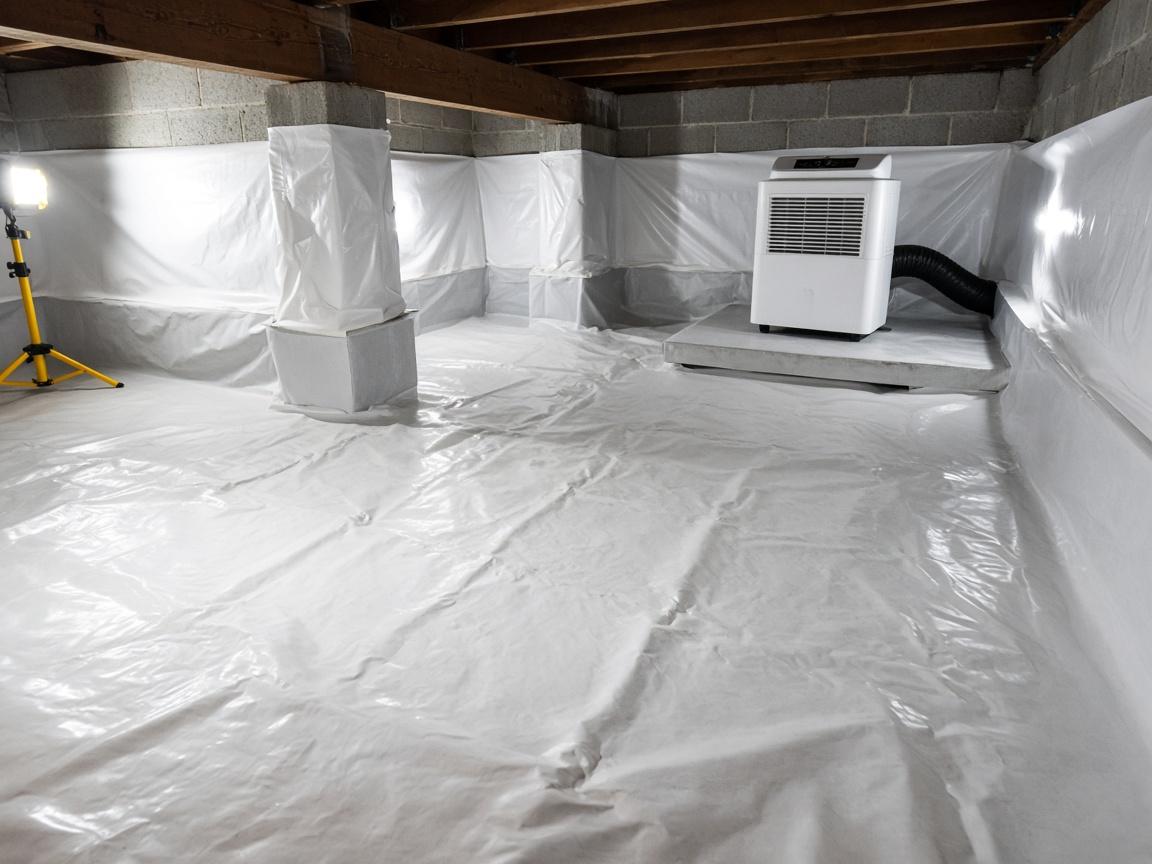
Crawl Space Repair
An open crawl space in Austin's humid summers invites moisture, mold, and wood rot — all of which we…
Foundation Repair Done Straight — No Upselling, No Surprises
Austin's clay soil is some of the most aggressive in the country. We've been diagnosing and repairing the damage it causes since 2014 — in slab homes, pier and beam bungalows, hill country properties, and everything in between. Our job is to tell you exactly what's happening and fix it properly, not sell you piers you don't need.
Licensed & Insured
Every crew member is licensed, insured, and trained for Texas soil conditions. No shortcuts, no guesswork.
Free Structural Assessment
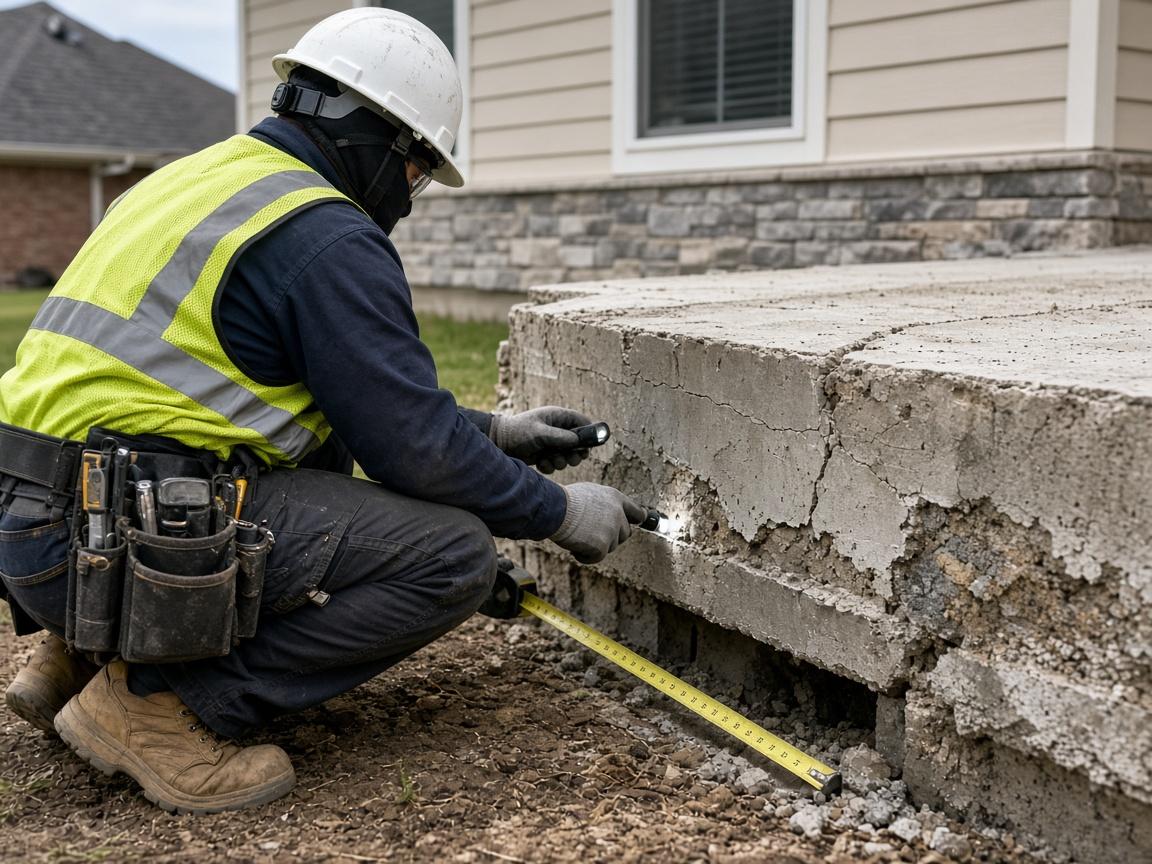
We walk your property, measure elevation changes, map cracks, and give you a straight-talk written report at no charge.
Same-Week Scheduling
Foundation problems don't wait. In most cases we can schedule your inspection within 48 hours of your call.
Honest Pricing
You'll see itemized costs before any work starts. No surprise fees, no upselling repairs you don't need.
"They found the real cause of our cracking in 20 minutes. The fix took two days and we haven't had an issue since."
— Pflugerville homeowner
From First Call to Finished Repair
No mysteries, no hidden steps. Here's exactly what happens when you call us.
Free Inspection
We measure floor elevations, assess crack types and severity, check drainage patterns, and document every issue.
Written Diagnosis
You receive a clear written report explaining what's happening, why, and what options exist — ranked by urgency and cost.
Crew Installation
Licensed crews install the recommended solution — piers, crack repair, drainage, or encapsulation — on a schedule that works for you.
Final Walk-Through
After the repair, we walk the property with you, verify elevations, and confirm everything looks exactly right.
Foundation Repair Across the Austin Metro
We serve Austin and 14 surrounding communities. Find your area below.
Foundation Repair FAQ
How much does foundation repair cost in Austin, TX?
Foundation repair costs in Austin vary by damage type, foundation type, and number of piers required. Minor crack repairs can run $500–$1,500. Slab pier installations typically cost $1,500–$3,000 per pier, with most jobs requiring 6–15 piers. Pier and beam leveling averages $3,000–$8,000. A free inspection gives you an exact number for your situation.
What causes foundation problems in Austin?
Austin sits on Blackland Prairie clay — one of the most expansive soil types in the US. During wet seasons it swells; during drought it shrinks dramatically. This constant movement cracks slabs, shifts piers, and destabilizes foundations over time. Poor drainage that lets water pool near the foundation accelerates the damage significantly.
How do I know if my foundation needs repair?
The clearest signs include: diagonal cracks in drywall corners, stair-step cracks in brick, doors or windows that stick or don't close flush, visible slab cracks, floors that feel uneven or sloped, and gaps forming between walls and the ceiling. Any one of these warrants a professional inspection.
Will you repair pier and beam foundations?
Yes. Pier and beam is common in Austin's older neighborhoods — Hyde Park, Bouldin Creek, Clarksville, Travis Heights. We re-level beams, replace rotted wood, install new concrete piers, and add vapor barriers to protect the crawl space. The repair process is different from slab repair but equally permanent when done right.
How long does foundation repair take?
Most residential foundation repairs take one to three days depending on the number of piers and scope of work. Drainage system installation typically adds one to two additional days. We'll give you a timeline before work starts so you can plan accordingly.
Do you offer foundation repair in the Austin suburbs?
Yes. We serve Round Rock, Cedar Park, Pflugerville, Georgetown, Leander, Kyle, Buda, Hutto, Lakeway, Dripping Springs, San Marcos, Bastrop, Manor, and Bee Cave — in addition to Austin proper.
The Engineering Behind Foundation Repair
A lasting repair is a structural load-transfer problem, not a cosmetic patch. Your house has a weight. The soil has a capacity. When that capacity drops, the slab bends. Repair works by moving the load off failing soil onto material that does not move with the seasons.
Load Path & Pier Spacing
Every repair starts with load path. Dead load — concrete, framing, brick, roof — plus live load from people and furniture can hit 80–120 psf on a single-story slab. Piers are spaced so each one carries its share without overstressing the concrete between them. Too few and the slab keeps cracking. Too many and you paid for nothing. Interior settlement — a bowl in the living room — needs interior piers through cored holes, not just perimeter work.
Active Zone vs. Bearing Strata
Austin clay moves from the surface down, but not all the way. The active zone — where seasonal moisture change happens — runs 6 to 10 feet deep here. A pier tip sitting inside that zone is still on soil that will shrink next August. Competent repair drives past it into Austin chalk, dense sub-clay, or Buda Limestone. Depth is a field measurement, not a marketing line. Two houses on the same block can hit chalk at 11 feet and 19 feet.
Push Piers vs. Helical Piers
Steel push piers are driven hydraulically using the house as reaction force — they stop at refusal, a mechanical confirmation the tip is in bearing material. Helical piers are rotated in; capacity is verified by installation torque, not structure weight. Push piers suit heavier homes with yard access. Helicals suit tight lots, additions, and lighter structures. A good design picks the right system for the house.
Lift vs. Stabilize — and Void Fill
Not every settled foundation should chase original grade. Recent movement recovers well. Old movement, where drywall and plumbing have adapted, can crack more if you over-lift. The target is structural stability first, then as much elevation recovery as finishes and utilities can tolerate. All jacks load simultaneously in small increments — a single-point lift is how tile cracks. After lift, voids under the slab are pressure-grouted so the concrete is not bridging empty space between piers.
What a Real Inspection Actually Measures
Why Austin Clay Destroys Foundations
Foundation problems here follow the geology. Austin sits where Blackland Prairie clay meets the Balcones Escarpment — some of the most expansive soil in the US on one side, thin limestone on the other. The repair that works in Pflugerville is not the same one that works in Lakeway.
Manor · Hutto · Pflugerville · East Austin · parts of Round Rock
Houston Black clay with montmorillonite mineral. COLE index 0.09–0.15 — up to 3× the USDA 'high' threshold. Shrinks severely in drought, swells in rain. Primary driver of slab settlement in Austin's eastern suburbs.
Central Austin · parts of Cedar Park · North Austin
Moderate clay over soft marine limestone. Good pier bearing once chalk is reached. Post-tension slabs here hold together longer before releasing, then drop suddenly when differential gets large enough.
Lakeway · Bee Cave · Dripping Springs · Barton Hills
Thin soils over fractured Edwards limestone, steep grades, slope-driven failure. Settlement here is often about erosion and retaining-wall pressure, not clay shrinkage. Drainage design matters as much as pier depth.
Kyle · Buda · Bastrop · parts of San Marcos
Sandy loam topsoil over deep clay subsoil. Drains slowly, moderate shrink-swell. Homes settle after extended wet seasons when sandy top layer becomes saturated and transfers load to the soft clay below.
The Three Main Damage Drivers
The Wet-Dry Cycle
Austin's ~34 inches of rain arrives unevenly — intense spring and fall storms, then weeks above 100°F. Each cycle shrinks perimeter clay, leaves a void, and when rain returns, rehydrates unevenly. Soil near a downspout swells while soil under a wide overhang stays dry. Every cycle leaves a little more permanent settlement behind.
Tree Root Competition
Live oaks and cedar elms are aggressive water seekers. Root zones extend 2–3× the canopy radius and follow moisture gradients toward the foundation edge. A mature oak on the west side of a slab will consistently dry that soil faster than the east side. The elevation map usually makes it visible.
Hidden Plumbing Leaks
A slow supply-line leak under a slab keeps a clay pocket saturated year-round. That pocket swells while the rest of the yard dries — the result is a localized mound or crack pattern that does not match drought settlement. A pressure test before any lift is how you avoid chasing the wrong root cause.
What the Geology Means for Your Repair
Get piers below the active clay zone and keep ponding water off the slab edge. Drainage work is not optional here — it stops the soil from restarting the cycle after the piers are in.
Slope stability and retaining wall performance come first. Footing conditions over shallow rock need site-specific design. Helical piers suit tight access and thin soils over limestone.
Crawl space moisture is often as critical as pier depth. Wood that stays wet loses load capacity. Encapsulation and drainage protect the structural repair you just made.
Ready to Stop the Damage?
Every week you wait, soil movement continues. Call Austin Foundation Repair Pros today or request a free written estimate online. We'll give you a clear diagnosis and a straight answer.